The Essential Guide to Forex Trading with Online Brokers 1645822516
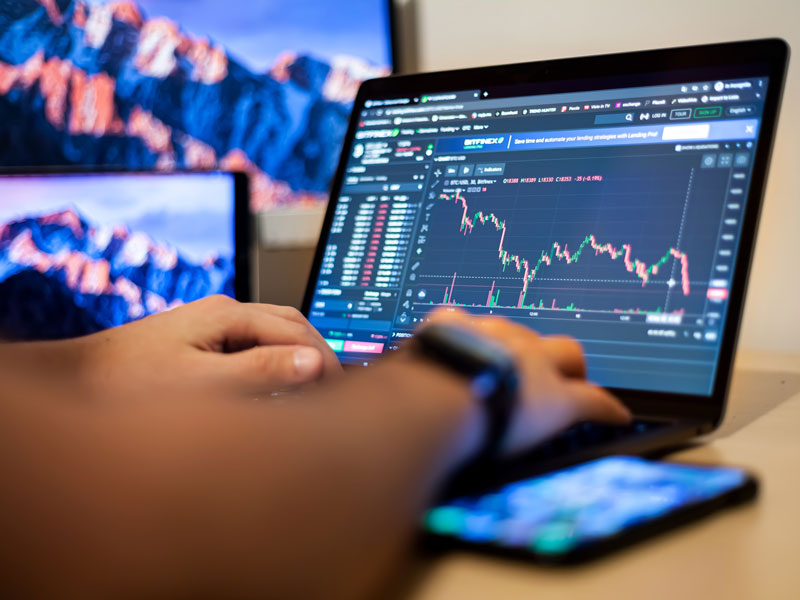
The Essential Guide to Forex Trading with Online Brokers
In the world of finance, Forex trading stands out as one of the most popular investment avenues. With the advent of technology, trading currencies has become accessible to anyone with an internet connection. This has led to a surge in the number of forex trading online broker India Brokers that facilitate trading activities for both novice and experienced traders alike. But what exactly is Forex trading, and how do online brokers fit into this dynamic market?
Understanding Forex Trading
Forex trading refers to the buying and selling of currencies on the foreign exchange market. This market is the largest in the world, with a daily trading volume exceeding 6 trillion USD. Unlike stock markets, which operate on fixed hours, the Forex market is open 24 hours a day, five days a week. This flexibility allows traders from all over the globe to capitalize on currency fluctuations at any time of the day.
The Basics of Forex Trading
In essence, Forex trading involves currency pairs, where one currency is exchanged for another. For example, in the currency pair EUR/USD, the Euro is the base currency, and the US dollar is the quote currency. Traders speculate on the price movements of these currencies, hoping to profit from fluctuations.
Choosing an Online Broker
One of the first steps in starting Forex trading is selecting the right online broker. The broker acts as an intermediary between traders and the Forex market. With so many options available, here are some crucial factors to consider when choosing an online broker:
Regulation and Security
Regulatory bodies oversee Forex brokers to ensure fair trading practices. Always opt for a broker that is regulated by a recognized authority, such as the Financial Conduct Authority (FCA) in the UK or the Commodity Futures Trading Commission (CFTC) in the US. Regulatory oversight ensures that your funds are covered under a compensation scheme and that the broker adheres to strict compliance standards.
Trading Platform
The trading platform is the software provided by the broker for executing trades. Look for a broker that offers a user-friendly, reliable platform with necessary features such as advanced charting tools, analysis, and automated trading options. Popular platforms include MetaTrader 4 (MT4) and MetaTrader 5 (MT5).

Leverage and Margin
Forex trading involves margin trading, meaning you can open positions larger than your initial capital through leverage. While this can amplify profits, it also increases risk. Different brokers offer varying leverage ratios, so it’s essential to find one that aligns with your risk tolerance and trading strategy.
Trading Costs and Fees
Every trade incurs costs, typically in the form of spreads (the difference between the bid and ask price) or commission fees. Assess each broker’s cost structure to ensure it fits within your investment budget. Low-cost brokers may be attractive, but not at the expense of other important factors like service quality or platform stability.
Customer Support
In the fast-paced world of Forex trading, having access to responsive customer support is paramount. Choose a broker that offers multiple support channels, including live chat, email, and phone. Check their availability to assist you during trading hours, especially since the Forex market operates 24/5.
Strategies for Success in Forex Trading
Once you have chosen a broker and set up your trading account, it’s time to delve into strategies that can help you succeed in Forex trading. Here are a few popular strategies:
Scalping
Scalping involves making numerous trades throughout the day to capture small price movements. Scalpers typically hold positions for a few seconds to a few minutes, requiring quick decision-making and access to high liquidity.
Day Trading
Day trading entails executing trades within a single trading session, with all positions closed by the end of the day to avoid overnight risk. This strategy requires a good understanding of market movements and is suitable for traders who can monitor the market closely.
Swing Trading

Swing trading is a strategy that aims to capture price swings over a few days to weeks. Traders rely on technical analysis to identify entry and exit points, balancing short-term and long-term strategies.
Position Trading
Position trading is a long-term strategy where traders hold positions for a longer period, often focusing on fundamental analysis to make informed decisions. This strategy requires patience and a good understanding of market fundamentals.
The Importance of Risk Management
Regardless of the trading strategy employed, risk management is crucial in Forex trading. Here are some essential risk management practices:
Setting Stop Loss and Take Profit Levels
Implementing stop-loss orders can protect your investment by limiting losses. Conversely, take-profit levels help lock in gains when the market moves in your favor. Always plan these levels before entering a trade.
Proper Position Sizing
Position sizing involves determining the amount of capital to allocate to each trade. A common rule of thumb is to risk only a small percentage of your trading capital on any single trade, typically between 1-3%.
Diversification
Diversifying your trading portfolio can help spread risk across different currency pairs. This reduces the impact of adverse price movements in any single investment on your overall portfolio.
Conclusion
Forex trading offers numerous opportunities but comes with its own set of risks. Selecting an appropriate online broker is a vital step that sets the stage for successful trading. Familiarize yourself with trading strategies, prioritize risk management, and continuously educate yourself to navigate the Forex market effectively. With diligence and prudent decision-making, anyone can embark on a rewarding journey in Forex trading.